
Understanding the symbols used in automation circuits is vital for both beginners and experienced technicians. One symbol that plays a crucial role in modern electrical systems is the solid state relay (SSR) symbol. Mastering this symbol can improve circuit design, troubleshooting, and overall automation efficiency. Learning solid state relay symbol improves schematic interpretation skills.
What is a Solid State Relay?
- Definition: A solid state relay is an electronic switching device that uses semiconductor components instead of mechanical contacts to control electrical loads.
- Key Advantages: Offers faster switching, longer lifespan, no mechanical wear, and silent operation.
- Application Areas: Widely used in industrial automation, temperature control systems, and motor drives.
Understanding the Solid State Relay Symbol
- Visual Representation: The SSR symbol typically consists of a rectangular box representing the relay body, input terminals on one side, and output terminals on the other. An arrow often indicates the direction of current flow or triggering signal.
- Differentiating from Mechanical Relays: Unlike traditional relay symbols, the SSR symbol does not include a moving arm or mechanical contact representation, highlighting its electronic nature.
- Control Indication: Some symbols feature a dashed line or optical isolator sign, representing the input control mechanism that triggers the solid state switching.
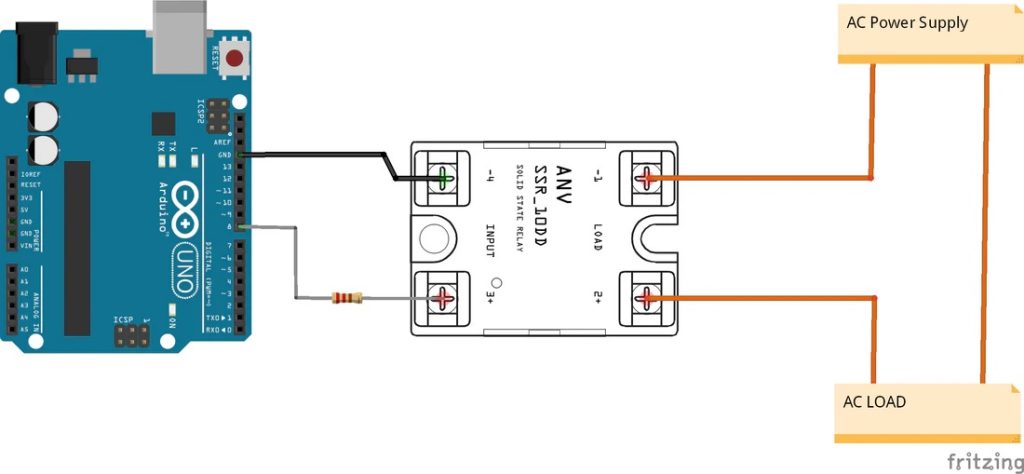
Benefits of Learning SSR Symbols
- Improved Circuit Interpretation: Recognizing the SSR symbol allows engineers and technicians to quickly understand circuit functionality and interactions.
- Efficient Troubleshooting: Knowledge of the symbol helps identify SSR locations in complex schematics, simplifying fault detection and maintenance.
- Enhanced Safety Awareness: Accurate reading of SSR symbols ensures proper handling of high-voltage circuits, minimizing the risk of errors and electrical hazards.
Practical Tips for Reading SSR Symbols
- Observe the Terminals: Identify input and output terminals to understand the triggering and load paths.
- Check for Trigger Indicators: Look for arrows or dashed lines that denote activation mechanisms, usually controlled by low-voltage signals.
- Compare with Circuit Function: Relate the symbol to the actual function in the automation system, ensuring it matches the intended switching action.
- Combine with Other Symbols: Understanding SSR symbols in context with sensors, timers, or controllers enhances overall comprehension of the circuit design.
Role in Modern Automation
- Silent and Fast Switching: SSRs improve automation performance by offering precise, high-speed switching without the noise of mechanical relays.
- Durability in Harsh Environments: The absence of moving parts allows SSRs to perform reliably under vibration, dust, and extreme temperatures.
- Energy Efficiency: Reduced energy consumption and minimal heat generation contribute to sustainable and cost-effective automation systems.
Conclusion
Exploring and understanding the solid state relay symbol is more than just reading a schematic it empowers professionals to design, troubleshoot, and maintain modern automation circuits effectively. By mastering this symbol, engineers and technicians gain a deeper insight into efficient, reliable, and high-performance industrial systems.